
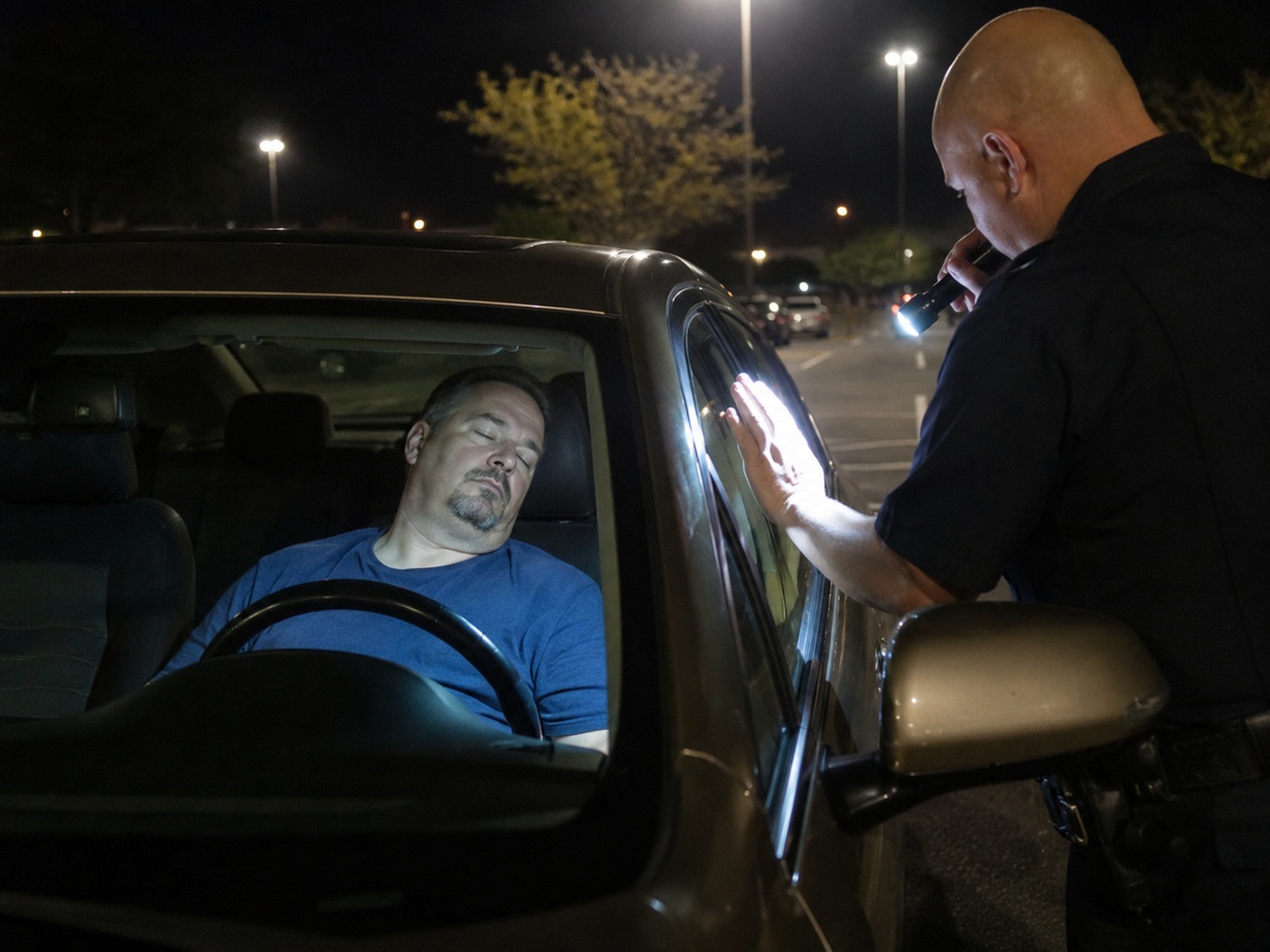
Sleeping In A Parked Car Can Still Lead To A Florida DUI Charge
Pulling over instead of continuing to drive after drinking may prevent a crash, but it doesn’t automatically eliminate the risk of a DUI charge in Florida. You don’t necessarily have to be driving down the road when police find you.
Florida law also prohibits being in “actual physical control” of a vehicle while impaired or while having an unlawful blood or breath alcohol level. Depending on where you’re sitting, where the keys are, whether the vehicle can be operated, and other circumstances, someone asleep in a parked car can still be arrested and prosecuted for DUI.
At Aguilar & Sieron, P.A., we defend people charged with DUI throughout Green Cove Springs, Clay County, and Northeast Florida. Cases involving a parked vehicle can turn on details that may seem minor at first, which is why the exact circumstances police encountered need to be examined carefully.
Florida DUI Law Doesn’t Require The Vehicle To Be Moving
Under Florida Statute § 316.193, a person can be guilty of DUI if they’re driving or in actual physical control of a vehicle while their normal faculties are impaired by alcohol or certain substances, or while they have an unlawful blood or breath alcohol level.
That phrase, “actual physical control,” is what allows prosecutors to pursue some DUI cases even when no officer saw the vehicle moving.
Florida’s standard criminal jury instruction describes actual physical control as being physically in or on the vehicle while having the capability to operate it, regardless of whether the person is actually operating it at that moment.
So the fact that the engine was off, the vehicle was parked, or the person was asleep doesn’t automatically defeat a DUI charge.
Sleeping Behind The Wheel Can Create Strong Evidence Of Control
Florida courts have addressed cases involving people found asleep or unconscious inside stationary vehicles.
Someone found in the driver’s seat with the keys in the ignition, in their possession, or otherwise readily available may face a much stronger actual physical control case because they may be capable of starting the vehicle and driving away.
Florida appellate decisions have upheld findings of actual physical control in circumstances where an impaired person was passed out behind the wheel and the keys were either in the ignition or close enough to be used to operate the vehicle.
That doesn’t mean sitting in the driver’s seat automatically proves DUI. The prosecution still has to establish the required elements of the offense. But where the person was sitting and how easily they could operate the vehicle can become central evidence.
The Location Of The Keys Can Matter, But It Doesn’t Decide Every Case
Keys are often one of the most closely examined facts in a parked-car DUI case.
There can be a significant difference between:
- Keys In The Ignition: This can strongly support an argument that the person had the immediate capability to operate the vehicle.
- Keys In The Driver’s Hand Or Pocket: Prosecutors may argue that the person could quickly start the vehicle and drive away.
- Keys Somewhere Else Inside The Vehicle: The location and accessibility of the keys can become important when deciding whether the person could readily operate the car.
- Keys Outside The Vehicle Or Controlled By Someone Else: This may support a defense that the person didn’t have the capability to operate the vehicle at the relevant time, depending on all the surrounding facts.
There isn’t a simple rule that keys outside the ignition automatically defeat a DUI charge. Florida courts look at whether the evidence as a whole shows that the person had actual physical control.
Modern vehicles can complicate the issue even further. A push-button ignition or proximity key doesn’t require someone to physically insert a key into the ignition, so the analysis may focus more heavily on whether the key fob was accessible and whether the vehicle could be started.
The Back Seat Can Present A Different Case Than The Driver’s Seat
Where someone chooses to sleep can also affect the evidence.
A person asleep behind the steering wheel presents a different factual situation from someone sleeping in the back seat while another person has the keys.
Being in the back seat doesn’t create an automatic defense, just as being in the driver’s seat doesn’t automatically establish guilt. Police and prosecutors may look at:
- Who had possession of the keys.
- Whether the engine was running.
- Whether the vehicle’s lights or accessories were on.
- Whether the person had recently driven the vehicle.
- Where the vehicle was parked.
- Whether anyone else was present.
- What the person told police about how they arrived there.
The more difficult it would have been for the person to immediately operate the vehicle, the more room there may be to challenge an actual physical control allegation.
Not Intending To Drive Isn’t Automatically A Defense
Someone may honestly have entered a vehicle only because they wanted to sleep, charge a phone, stay out of the weather, or wait for a sober ride.
Those facts can still matter, but prosecutors generally don’t have to prove that the person was planning to drive later.
The core question is whether the person was in actual physical control of the vehicle while meeting Florida’s impairment or alcohol-level requirements. A person’s stated intention to “sleep it off” doesn’t automatically eliminate that element.
That distinction is important because people often assume that doing the responsible thing by deciding not to drive means a DUI charge is legally impossible. Florida’s actual physical control rule makes the situation more complicated.
A Parked Car On Private Property Can Still Lead To A DUI Case
Another common misconception is that DUI only applies when someone is driving on a public highway.
Florida’s DUI statute applies to driving or being in actual physical control of a vehicle “within this state.” A vehicle being parked in a private parking lot, driveway, or similar location doesn’t automatically prevent a DUI charge.
The location can still matter as part of the overall circumstances. A car stopped partly in a roadway creates different evidence from a vehicle legally parked overnight in a private lot. But private property by itself isn’t a guaranteed defense.
Police Can Use More Than The Position Of The Vehicle
An actual physical control case still requires evidence that the person was impaired or had an unlawful alcohol level.
Police may rely on several types of evidence in a Florida DUI case, including:
- Officer Observations: Slurred speech, bloodshot eyes, difficulty waking, confusion, coordination problems, or other observations may appear in the police report.
- Statements: What someone says about drinking, driving, where they came from, or why they’re in the vehicle may become evidence.
- Key Location: Officers may document whether the keys were in the ignition, in a pocket, on the seat, elsewhere in the vehicle, or outside it.
- Vehicle Condition: Whether the engine was running, lights were on, or the vehicle appeared recently driven may become relevant.
- Field Sobriety Exercises: Officers may ask someone to perform exercises intended to gather evidence of impairment.
- Breath, Blood, Or Urine Evidence: Chemical testing may become part of the case depending on the circumstances.
- Video: Body-camera, dash-camera, surveillance, or other footage may show the person’s condition and what officers actually encountered.
Even a breath alcohol result below 0.08 doesn’t automatically prevent a DUI charge if prosecutors believe other evidence shows that the person’s normal faculties were impaired. Our discussion of Florida DUI charges below the 0.08 limit explains why the number alone doesn’t always decide the case.
The Vehicle’s Ability To Operate Can Become Part Of The Defense
Actual physical control requires more than simply being near a vehicle. Whether the vehicle could actually be operated can matter.
A completely disabled vehicle may create a different case from a working car that can be started immediately. At the same time, a temporary mechanical problem doesn’t necessarily mean there was no actual physical control if the vehicle could readily be made operable.
A defense attorney may investigate whether:
- The battery was dead.
- The vehicle had serious mechanical problems.
- The necessary key or key fob was unavailable.
- The vehicle had been towed or disabled before police arrived.
- Another person had control of the vehicle.
- Police accurately documented the condition of the car.
Photographs, tow records, repair records, body-camera footage, witness statements, and other evidence can become important when the vehicle’s operability is disputed.
A DUI Based On Actual Physical Control Carries The Same Serious Penalties
Florida doesn’t create a lesser DUI offense simply because the vehicle never moved.
A conviction based on actual physical control can carry the same Florida DUI penalties that apply when someone was observed driving.
For a standard first DUI conviction, potential consequences include:
- A fine generally ranging from $500 to $1,000.
- Up to six months in jail.
- Probation and required community service.
- Vehicle impoundment or immobilization.
- Driver’s license revocation generally lasting at least 180 days and up to one year.
- DUI school and other court-ordered requirements.
Higher alcohol levels, a minor in the vehicle, prior DUI convictions, a crash, serious injuries, or a death can significantly increase the potential consequences.
Florida law also prohibits courts from withholding adjudication on a DUI conviction, which is one reason defending the charge carefully from the beginning matters.
The Driver’s License Case Can Start Before The Criminal Case Is Resolved
A DUI arrest can create a separate driver’s license issue in addition to the criminal court case.
Depending on whether the arrest involved an unlawful breath or blood alcohol level or a refusal to submit to testing, an administrative license suspension may begin quickly.
Florida drivers generally have a short period to take action if they want to challenge certain administrative suspensions. Our guide to Florida’s DUI license suspension deadline explains why waiting to speak with a lawyer after an arrest can affect options outside the criminal courtroom.
A parked-car DUI should therefore be taken just as seriously as any other DUI arrest. The fact that police didn’t see the vehicle moving doesn’t mean the case will simply disappear on its own.
A Green Cove Springs DUI Lawyer Can Challenge The Actual Physical Control Evidence
Cases involving someone found asleep in a parked vehicle can turn on details that deserve close examination. Where were the keys? Who drove the vehicle to that location? Was the car operable? Where was the person sitting? Was anyone else present? What did the body-camera footage actually show?
We examine those facts carefully at Aguilar & Sieron, P.A. Attorney Mark Sieron has spent decades defending people accused of DUI and other criminal offenses throughout Clay County and Northeast Florida. We look beyond the arrest report to determine whether the prosecution can actually prove impairment and actual physical control beyond a reasonable doubt.
If you were arrested for DUI while sleeping or sitting in a parked vehicle, contact us for a free consultation. We’ll review what happened, explain the charges you’re facing, and help you understand the defenses that may apply.
“I engaged the services of Mr. Sieron on behalf of a family member. He is always a consummate professional and a strong advocate for his clients. When anyone is embroiled in the legal system, it is a stressful, confusing, and often frustrating experience. Mr. Sieron and his staff endeavored to alleviate whatever concerns we had. He treated both me and his client with respect at all times. Communication was swift and comprehensive.” – Client, ⭐⭐⭐⭐⭐